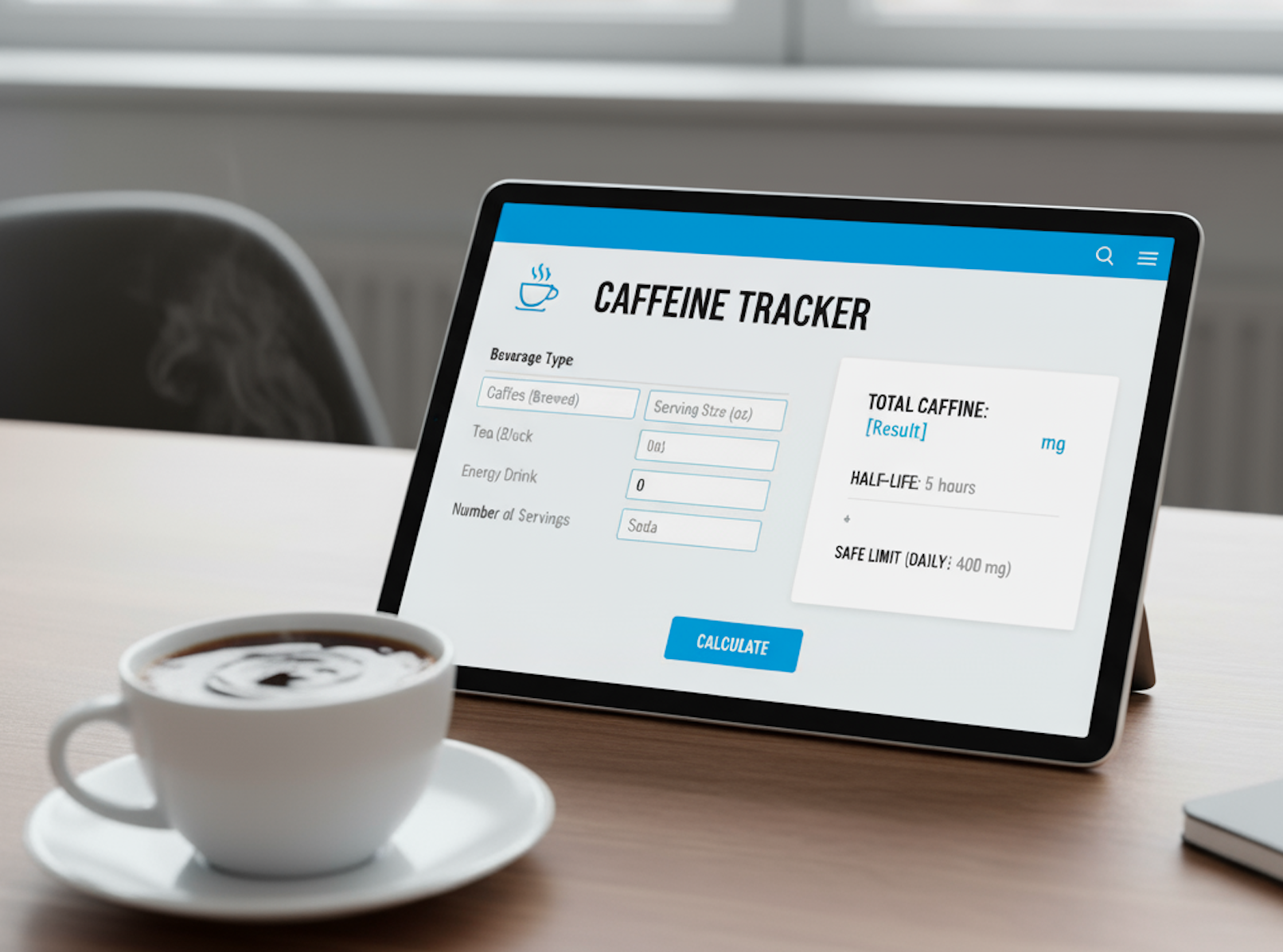
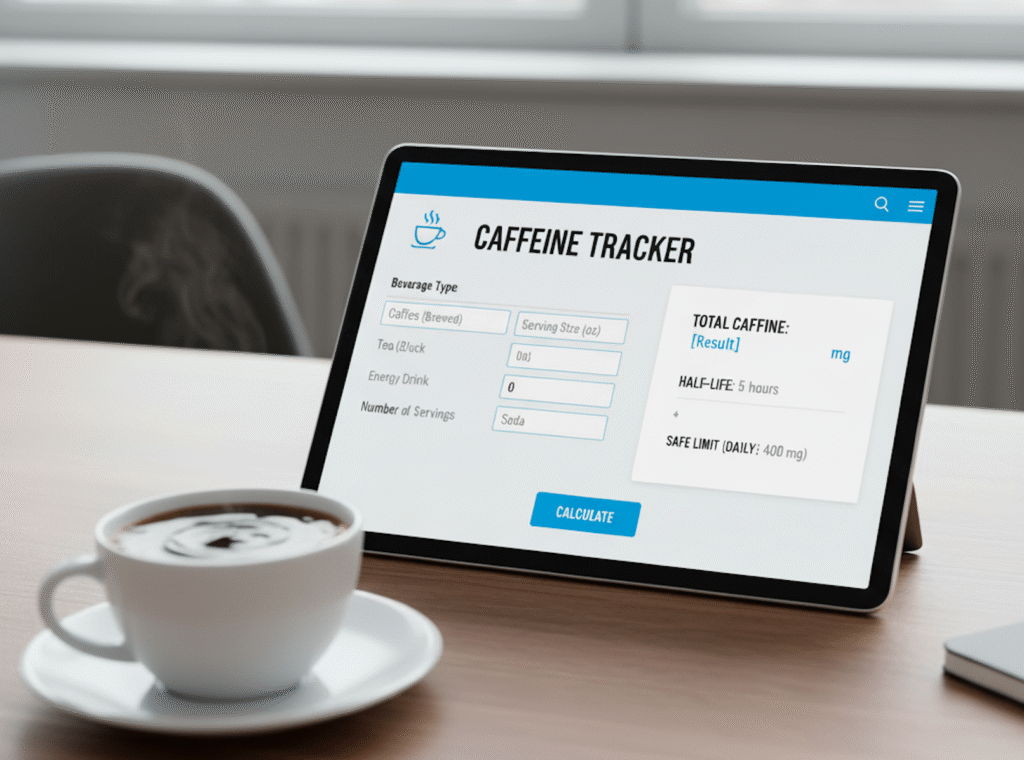
Why track your caffeine intake?
Caffeine is one of the most widely used stimulants worldwide. It boosts alertness, enhances performance, and gives that familiar “lift” many people rely on. But too much can disrupt sleep, cause jitteriness, raise heart rate, or trigger headaches. To find a balance, it helps to estimate how much you’re consuming.
By combining a calculator tool with deeper explanations of how caffeine content is estimated, this page helps users understand not only how much caffeine they ingest, but why those numbers vary, and how to adjust consumption safely.
Input your body weight to calculate the safe caffeine intake for you.
*Applies to age 18 and over. This calculator does not replace professional medical advice
Estimating Caffeine Content: Methods & Uncertainties
Because caffeine levels are not fixed, all estimates have a margin of error. Below are common methods and key influencing variables.
Method A: Dry beans → mg of caffeine
Weigh your dry coffee grounds (in grams). A common thumb rule:
Caffeine (mg) ≈ weight of dry coffee (g) × 0.008 × 1000
Meaning 10 g of coffee grounds ≈ 80 mg caffeine.
That formula assumes extraction of about 80–100% of caffeine, which is optimistic—actual extraction is often less. Variables that affect how much of that caffeine ends up in your cup:
Extraction efficiency (brew time, water temperature, grind size)
Roast loss (roasting reduces bean mass, so relative caffeine percentage can shift)
Bean variety: Robusta beans can have nearly double the caffeine of Arabica
Brew method: espresso, French press, pour-over, cold brew — each extracts differently
This method gives a rough upper bound, but not the precise caffeine in your brewed cup.
Method B: Use standard beverage caffeine tables
Various trusted sources (e.g. FDA, Mayo Clinic) provide typical caffeine ranges for common beverages. For example:
| Beverage | Serving Size | Typical Caffeine (mg) |
|---|---|---|
| Brewed coffee (8 oz / 237 mL) | 8 oz | ~96 mg |
| Espresso | 1 oz (30 mL) | ~63 mg |
| Instant coffee | 8 oz | ~62 mg |
| Black tea | 8 oz | ~48 mg |
| Green tea | 8 oz | ~29 mg |
These averages are reliable benchmarks, but real values may differ by ±20–30% depending on brand, brewing, steeping time, and leaf quality.
Combining both approaches
A hybrid: use standard tables as base values, then apply a “strength adjustment” based on your brewing habits (e.g. 10% stronger or weaker). This yields a more personalized estimate.
Safe Caffeine Intake Guidelines
For healthy adults
Most health authorities agree: up to 400 mg per day is acceptable for most healthy adults.
Other recommendations
Pregnant / breastfeeding individuals: limit to ~200 mg/day
Teenagers (13–18 years old): ~100 mg/day or less
Children (<13 years): generally advised to avoid routine caffeine
Different people react differently. If you experience sleep loss, anxiety, tremors, or palpitations, your effective “safe” limit may be lower.
What counts toward your caffeine total?
Don’t forget hidden sources:
Decaffeinated coffee / tea: still contain ~2–15 mg per 8-oz cup
Chocolate, energy bars, soft drinks
Medications or supplements containing caffeine
Even small amounts from multiple sources can add up.
How Long Does Caffeine Stay in Your System?
Caffeine has a biological half-life in healthy adults between 5 and 6 hours. That means after 5–6 hours, you’ll still retain about half the caffeine effect from an earlier dose.
For example: if you consume 200 mg of caffeine at noon, by 6 PM you might still have ~100 mg’s worth of stimulatory effect in your system.
That’s why having caffeine late in the afternoon or evening can interfere with sleep for many people.
Warning Signs of Excess Caffeine
If your total intake (or timing) pushes your system past its comfortable limit, you may notice symptoms such as:
Jitters, nervousness, tremor
Heart palpitations, fast heartbeat
Anxiety or irritability
Trouble sleeping (insomnia)
Headaches or migraines
Upset stomach or digestive discomfort
True overdose is rare, but extremely high doses (several grams) — especially via powders or concentrated forms — are dangerous.
If you experience severe symptoms (chest pain, confusion, vomiting), seek medical help immediately.
FAQs
How much caffeine is safe to drink per day?
Most health authorities recommend up to 400 mg of caffeine per day for healthy adults. That’s about four cups of brewed coffee. Pregnant or breastfeeding individuals should aim for around 200 mg, while teens are advised to stay below 100 mg per day. Sensitivity varies, so monitor how your body reacts.
How accurate is this caffeine calculator?
The calculator uses globally recognized averages from trusted sources like the FDA and Mayo Clinic. Actual caffeine levels can vary by brand, roast, and brewing method. It provides a reliable estimate to help track your daily intake, not an exact laboratory measurement.
What types of drinks and foods are included?
You can calculate caffeine from coffee, espresso, tea, energy drinks, soft drinks, chocolate, and supplements. The tool also supports custom entries, so you can add regional beverages like yerba mate, matcha, or guarana drinks.
How does caffeine half-life work?
Caffeine’s half-life averages about 5 to 6 hours. That means if you drink 200 mg of caffeine at noon, you’ll still have around 100 mg in your system by 6 PM. The calculator’s half-life timeline helps you visualize when caffeine levels drop during the day.
Can this caffeine calculator be used worldwide?
Yes. It’s a global caffeine calculator that includes international drink presets and metric/imperial conversions. You can also enter local beverage sizes manually for accurate results anywhere in the world.
Is caffeine harmful to health?
In moderate amounts, caffeine can improve alertness, mood, and focus. Excessive intake, however, can cause jitters, insomnia, anxiety, or an increased heart rate. Track your total caffeine to stay within safe daily limits.
Can I use this calculator on my phone?
Absolutely. The tool is mobile-responsive and works seamlessly on any smartphone, tablet, or desktop browser. It also supports offline use, so you can track caffeine anytime without an internet connection.
Does decaf coffee still contain caffeine?
Yes. Decaffeinated coffee and tea still contain small amounts of caffeine—typically 2 to 15 mg per cup, depending on brand and preparation. Include these in your total if you drink multiple decaf servings per day.
Can caffeine affect sleep?
Yes. Because caffeine stays in your system for hours, consuming it late in the day can delay sleep onset or reduce sleep quality. Experts suggest avoiding caffeine within 6 hours of bedtime.
How can I safely lower my caffeine intake?
Gradually reduce your consumption instead of quitting suddenly. Try smaller servings, half-caffeinated blends, or substitute with herbal teas or decaf options. The calculator helps track reductions and visualize progress.
Tips to Caffeine Smartly
- Use smaller servings or weaker brews
- Replace some caffeinated drinks with decaf, herbal teas, or water
- Avoid caffeine within 6 hours of bedtime
- Alternate intake—e.g. half-caffeinated / half-decaf blends
- Be aware of other sources (sodas, chocolate, supplements)
- Track cumulative amounts via a simple logging app or paper record
